Finley Ludwig · 1 September 2026
Italy is set to take on the EU Council Presidency with a detailed agenda that prioritizes several key areas for the union's future development. The leadership period will see efforts concentrated on climate change mitigation, migration reform, and digital advancement.
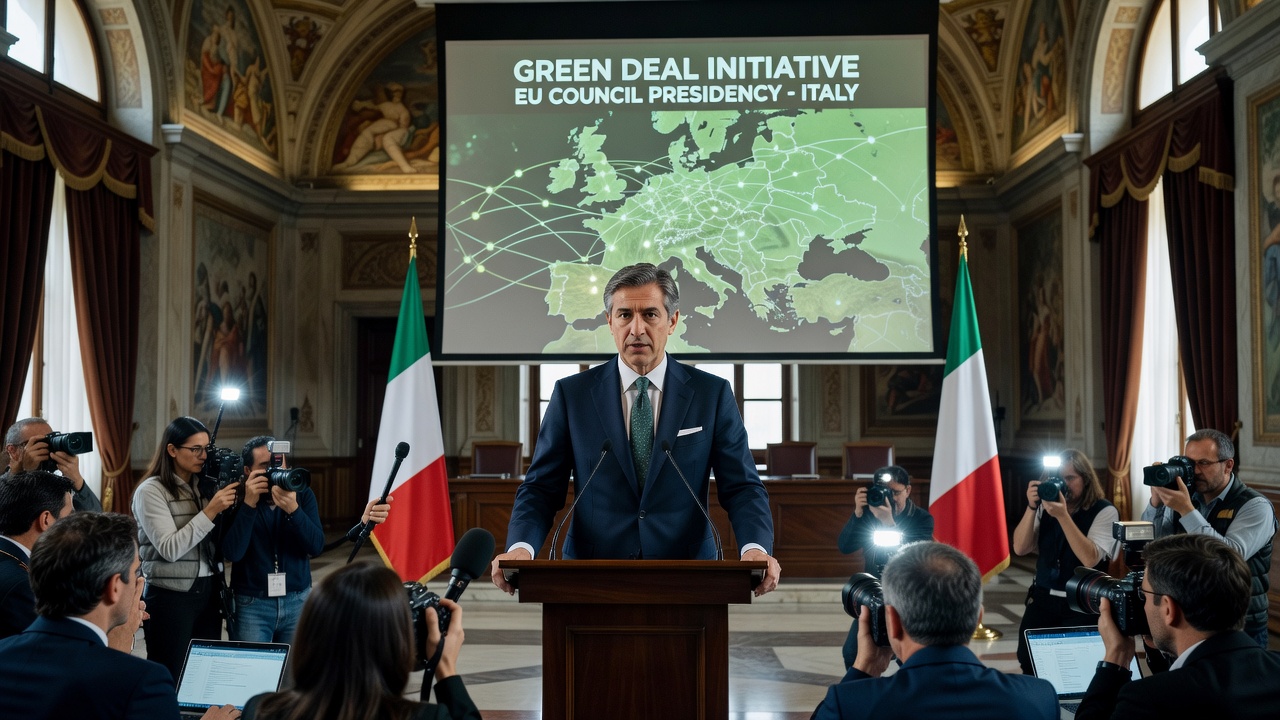
Climate Action and Energy Independence
The Italian presidency will emphasize accelerating the transition to sustainable energy. Plans include advocating for increased investment in renewable sources such as solar and wind power. This strategy aims to decrease reliance on fossil fuels from external suppliers. Member states are expected to engage in negotiations regarding new environmental regulations and targets. Italy's own experiences with green technology will be shared to inspire broader adoption across Europe. Furthermore, biodiversity conservation will be addressed through proposed policies that protect natural habitats while supporting economic activities. The agenda also covers adaptation measures for climate impacts already affecting various regions. Discussions will likely focus on funding mechanisms to support these initiatives, ensuring equitable contributions from all countries involved. The role of the Mediterranean region in energy strategies will be particularly important given Italy's geographic position.
Migration Reform and Digital Growth
Reforming the EU's approach to migration is another vital component. Italy proposes a system that ensures fair burden sharing and efficient processing of asylum claims. This comes in response to ongoing challenges at the union's borders. Enhanced cooperation with countries of origin and transit is planned to manage flows more effectively. Border management technologies and integration programs are also slated for review during the term. In parallel, the digital economy will receive attention with initiatives to promote innovation and cybersecurity. Support for businesses adapting to new technologies is highlighted as essential for post-crisis recovery. Research collaborations and skills development programs are part of the outlined measures. These efforts seek to position Europe as a leader in the digital age while maintaining high standards of data privacy and security. The potential for job creation in green and digital sectors is a motivating factor behind these policies.
Overall, the presidency agenda demonstrates a balanced approach to immediate and long-term priorities, fostering unity and progress within the European Union.